Why large-envelope shops are rare
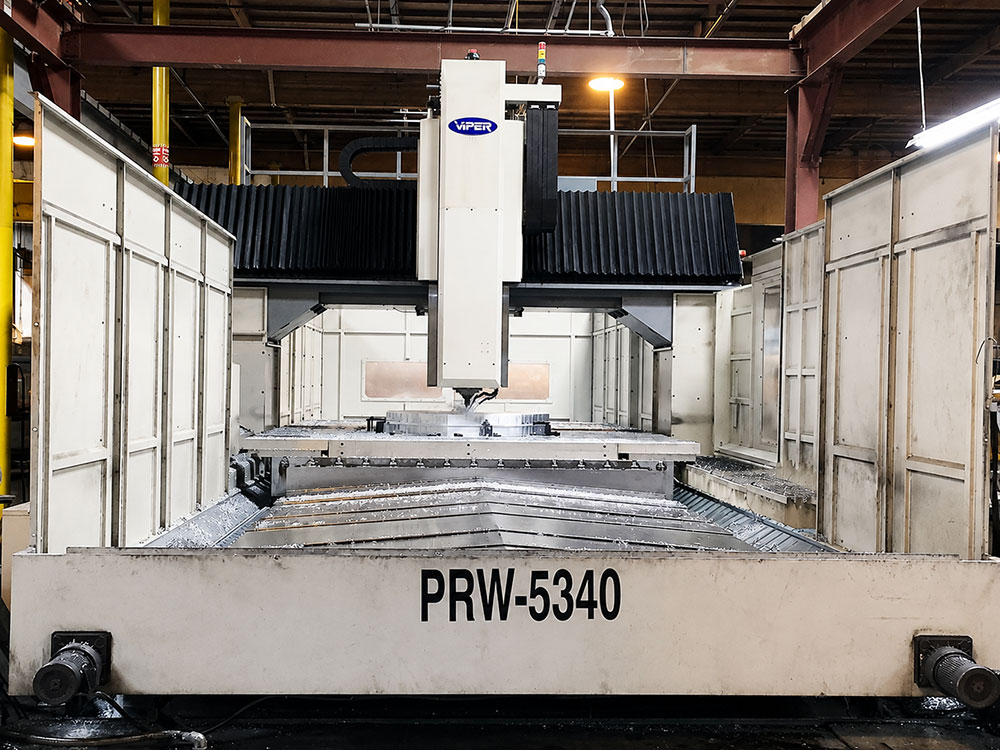
A machine with large travel is only the start. It needs a weight-rated foundation, a tall building with floor space around it, and an overhead crane to load parts. On the West Coast, suitable industrial buildings are scarce and expensive, which keeps the number of shops that can do this work small.
Travel isn’t the real limit
The practical constraints on a big part are usually lifting capacity, floor loading and fixturing, not the machine’s stated travel. A part has to be lifted with its fixture, supported without distortion and held rigidly while it is cut.
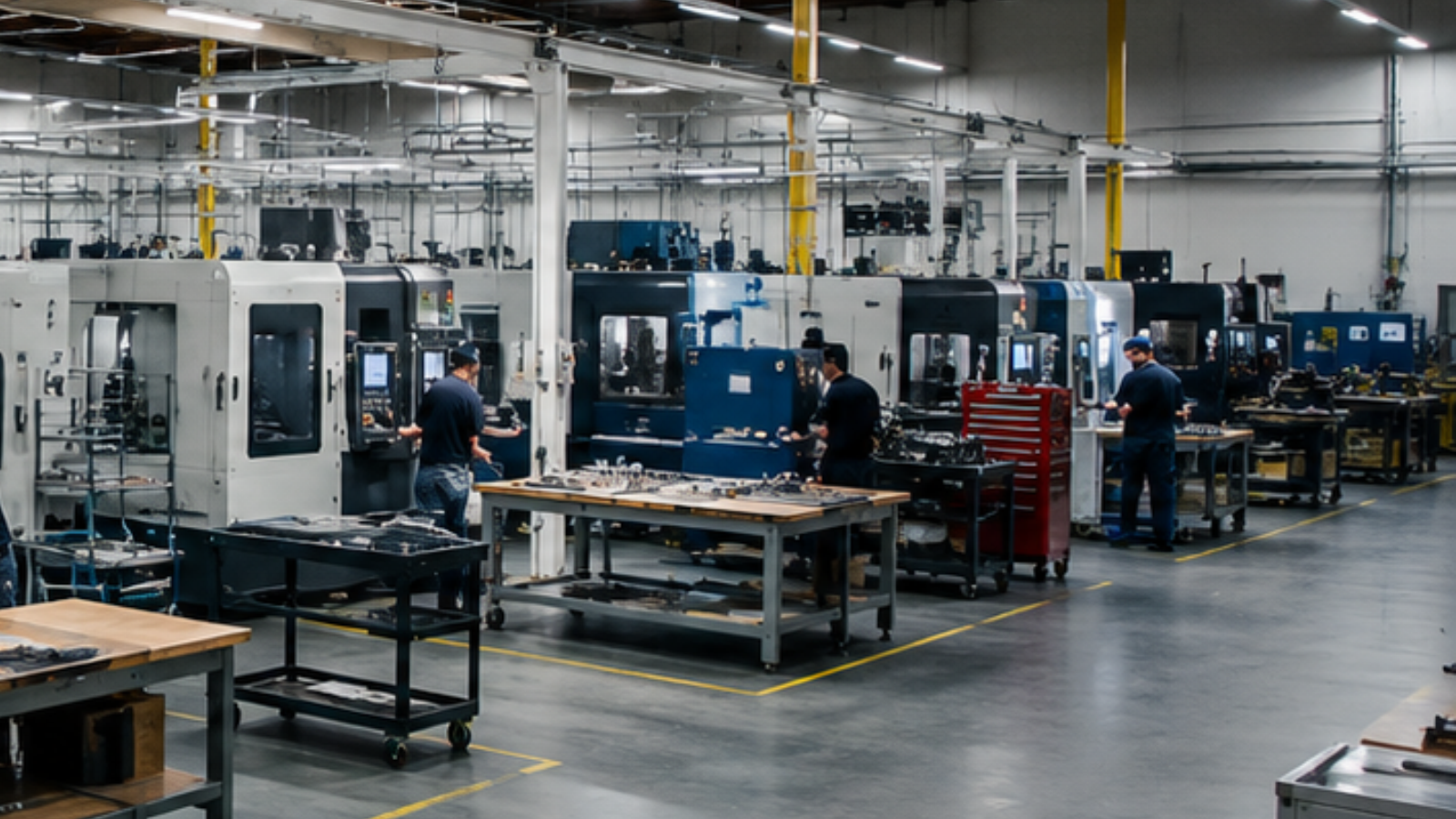
IMT’s 50,000 sq ft Hayward facility pairs a 201 × 134 × 42 in bridge mill and a 160 × 94 in horizontal boring mill with a 10-ton overhead crane, so parts are loaded and fixtured in-house.
The hidden cost of shipping oversized parts
Big parts need custom crates, bracing, sometimes dedicated flatbeds and over-dimension permits. Quotes from distant shops often leave out freight both ways, transit time and extra trips for secondary operations.
Transit damage and re-inspection
Shifting loads mark surfaces, thin walls deflect, and vibration and temperature swings matter at tight tolerances. Many programs re-inspect parts on arrival, adding cost, and when several vendors touch a part, it gets hard to say who owns an out-of-tolerance result.
Proximity keeps schedules honest
A nearby supplier lets engineers walk the floor and resolve late issues quickly, and absorb design revisions without round trips. IMT combines that proximity with ISO 9001:2015 certification, large-part inspection on a 6 × 12 ft granite plate with a portable Faro arm, and ITAR registration completed in 2026.
What buyers should ask
- What is your lifting capacity, and can it handle the part with its fixture?
- How many setups will the part need, and on which machines?
- Where will the part be inspected, and with what equipment?
- How many vendors will touch it, and how far will it travel?